How to organize a picnic around a casual park walk
· Editorial team newswithannaphoenix.com
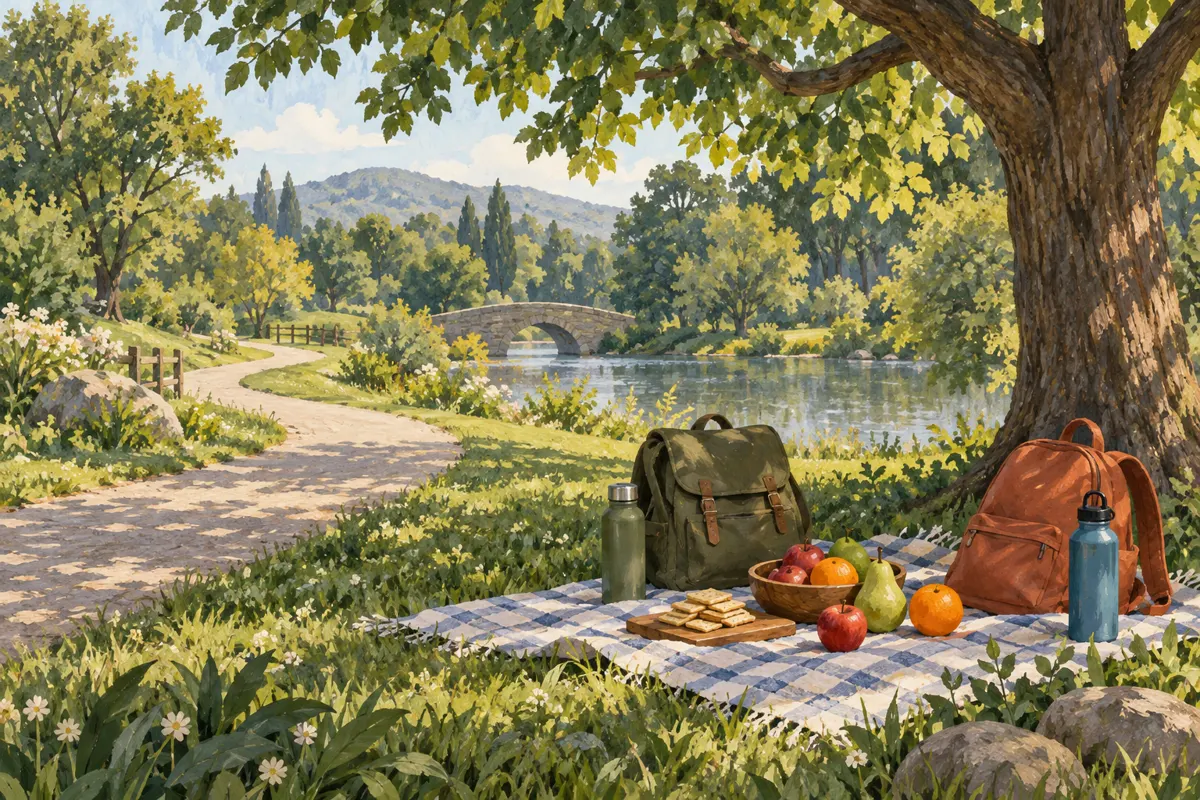
Plan a walking picnic by choosing an easy park route with a comfortable place to stop, packing portable food that does not require refrigeration, and sharing supplies across the group. Keep the walk short enough for everyone to enjoy, with an easy return after eating. The following is a suggested plan you can adapt to your group.
Choose the picnic stop before the route
Start with somewhere you can comfortably eat: a picnic table, a bench, or a level patch of grass where picnicking is allowed. Look for shade and consider nearby restrooms, shelter, and trash bins. If someone needs a seat rather than a blanket, make that part of the location choice.
Our route proposal is a short loop that reaches the picnic spot before returning to the entrance. An out-and-back walk also works, especially if you want the option to turn around early. Choose the distance around the person who wants the gentlest outing, and account for carrying bags.
- Check the path surface and any steps or slopes against the group's needs.
- Identify a second eating spot in case your first choice is occupied.
- Choose a route with a straightforward way back if someone gets tired.
Agree on a simple outing plan
Give everyone the same meeting point, departure time, and rough plan. Say whether the food will be a snack or a meal so people can prepare accordingly. Ask about dietary restrictions and walking needs before assigning food or choosing the final route.
- Pick a clearly described meeting point, such as the park entrance you intend to use.
- Agree on a relaxed walk followed by a picnic stop and an easy return.
- Check the forecast before leaving and decide whether to shorten or postpone the outing if conditions are unsuitable.
- Send one final message with the route, food assignments, and anything each person should bring.
Leave room to pause along the way. A casual walk does not need a full schedule of games or activities; conversation and a comfortable food stop can be enough.
Pack food that travels easily
For a walk without a cooler, build the menu around products whose storage instructions allow them to be carried without refrigeration. Read labels rather than assuming every picnic food is suitable. The supplied picnic guides recommend cooling perishable foods, including meat and dairy; choosing a shelf-stable menu keeps the carrying plan simpler.
- Whole fruit, washed before packing, such as apples or oranges.
- Crackers, pretzels, or plain bread rolls.
- Dried fruit, plus nuts or seeds if suitable for everyone's dietary needs.
- Cookies or another sturdy treat that does not require chilling.
- Water in a refillable bottle for each person.
Pack delicate items in small rigid containers and keep heavier bottles away from them. Favor portions that are easy to share without cutting or assembling food on the ground. If the stop replaces lunch, agree on enough food for a meal rather than leaving everyone to bring a small snack.
Share the supplies and keep bags manageable
A backpack is a practical carrying proposal because it leaves your hands free while walking. Assign shared items by name so several people do not arrive with blankets while nobody brings napkins. Divide the load according to what each person can comfortably carry.
- Each walker: personal water, suitable clothing, and any personal essentials.
- One person: a compact blanket if the group plans to sit on grass.
- Another person: napkins and only the reusable utensils the menu needs.
- Other walkers: agreed food portions and a bag for collecting trash.
Before leaving, lift the packed bags and check that they feel comfortable. Remove duplicate containers, extra dishes, and decorations that add weight without helping the outing.
Make the stop comfortable and leave it tidy
At the picnic spot, keep bags and the blanket clear of the path. Choose a sheltered position where possible, and keep food containers closed until needed. Let anyone who needs a seat settle first, then unpack only what you are using.
Before resuming the walk, collect wrappers, fruit peels, and other leftovers, check beneath the blanket, and pack away reusable items. Carry your trash out if there is no suitable bin. Ask whether everyone is comfortable continuing, and use the shorter return option if that suits the group better.